

Should You Express Colostrum and What Even Is It?
- May 9
- 5 min read

If you've felt curious about what your breasts are doing in those final weeks of pregnancy, well, you're not imagining things. Your body has been secretly making breastmilk for months. And that first little bit of milk? It's remarkable. They call it liquid gold.
Let's talk about liquid gold - or colostrum. Let's learn what it actually is, what it does for your baby, and why so many families are choosing to collect and store it before birth.
First Things First: What Is Colostrum?
Colostrum is your baby's first milk. It's called "liquid gold," because of its rich golden colour but more so because it is concentrated, nutrient-dense, and antibody-packed. Your body has been creating this from 16 weeks of pregnancy onward - long before your baby is born.
Here's something worth knowing: colostrum isn't a different substance from breastmilk. It IS breastmilk. It just has a different composition than the mature milk that comes later. Same ingredients, different ratios, perfect for your fresh babe.
And by the way, whether or not you notice any leaking during pregnancy has absolutely nothing to do with how much milk you'll make after birth.
Why Is Colostrum So Special?
Basically, it does things nothing else can replicate.
🔅 It's your baby's first immune boost. Colostrum is loaded with antibodies that coat your baby's gut lining and begin building their immune system from the first latch. Think of it as your baby's first vaccination, delivered warm and on demand.
🔅 It's perfectly sized for a newborn's stomach. On day one, your baby's stomach holds roughly 5–7 mL. That's about the size of a cherry. Colostrum comes in small amounts by design, not by accident. Those tiny, frequent feeds are exactly right for that tiny stomach.
🔅 It helps clear meconium. Colostrum has a mild laxative effect that helps your baby pass meconium (that first dark, tarry stool) quickly, which also helps reduce newborn jaundice risk.
🔅 It stabilizes blood sugar. The protein-rich composition of colostrum helps regulate your newborn's blood glucose levels, particularly important in the first hours of life.
🔅 It's a gut-sealer. Before your baby's digestive system has fully developed its own defences, colostrum helps seal the permeable newborn gut, reducing the risk of pathogens entering the bloodstream.
Breastmilk is a living substance, made specifically for your baby, reactive in real time.
What Is Antenatal or Prenatal Colostrum Expression?
It's exactly what it sounds like: hand expressing and collecting your colostrum during pregnancy, before baby is born, so you have it stored and ready to use if needed after birth.
It's not a new idea, but it's gaining a lot of well-deserved attention.
Why Would Someone Want to Express Colostrum Before Birth?
For some families, it's practical preparation.
If your baby needs supplementation in the first hours or days of life - for low blood sugar, weight loss, jaundice, a feeding difficulty, or any other reason, then having your own colostrum on hand means you have something to offer before the conversation about formula ever begins. You're not scrambling. You have a plan.
For some, it's peace of mind.
Knowing that you have colostrum in the freezer can significantly reduce anxiety heading into birth. Especially if you've had a previous breastfeeding experience that didn't go the way you hoped, or if you know there are potential challenges ahead.
For some, it's particularly recommended.
There are specific circumstances where prenatal expression is especially worth discussing with your care provider:
Gestational diabetes, Type 1, or Type 2 diabetes: Babies born to parents with diabetes are at higher risk of low blood sugar after birth, and colostrum has been shown to be more effective than formula at stabilizing newborn glucose levels in these cases.
Planned caesarean birth: A surgical birth can sometimes delay milk coming in. Having stored colostrum provides a buffer.
History of low milk supply or breast surgery: If you know supply may be a challenge, getting a head start makes sense.
Babies with a known condition: Cleft palate, cardiac conditions, Down syndrome, or other diagnoses that may affect feeding.
PCOS or required medical assistance to conceive: Both can be associated with milk supply variations.
High-risk pregnancies: Any situation where you know the postpartum period may be more complex than usual.
And MY FAVOURITE reason is, to get comfortable with your breasts.
Honestly? One of the most underrated reasons I recommend trying prenatal expression to my clients has nothing to do with storing milk. It's about getting used to your body. Learning what it feels like to touch your breasts with intention. Building familiarity with how milk moves and where it comes from. One practice session. That's all I ask. Gold star if you try it.
What About the Risk of Triggering Labour?
Current evidence suggests that the kind of brief, gentle hand expression done for prenatal collection is very unlikely to trigger labour in a healthy pregnancy at term without any risk factors for early labour. That said, because this is your pregnancy and your body, you should always talk to your midwife, OB, or care provider before starting.
🔻 Who Should NOT Express Colostrum Before Birth?
Antenatal expression is generally considered safe after 37 weeks for low-risk pregnancies, but it is not recommended if you have:
A history of preterm labour or are currently at risk for it
Placenta previa
An incompetent cervix or cervical stitch (cerclage)
Been advised by your care provider to avoid any nipple stimulation
Any other high-risk pregnancy complication that your provider has flagged
If any of these apply to you or if you're simply unsure, then check in with your midwife or OB first.
What Do You Actually Do With What You Collect?
A few minutes per session, once or twice a day is plenty. Don't be discouraged if very little comes out at first because colostrum in pregnancy is often just a few drops, and that is completely normal and expected.
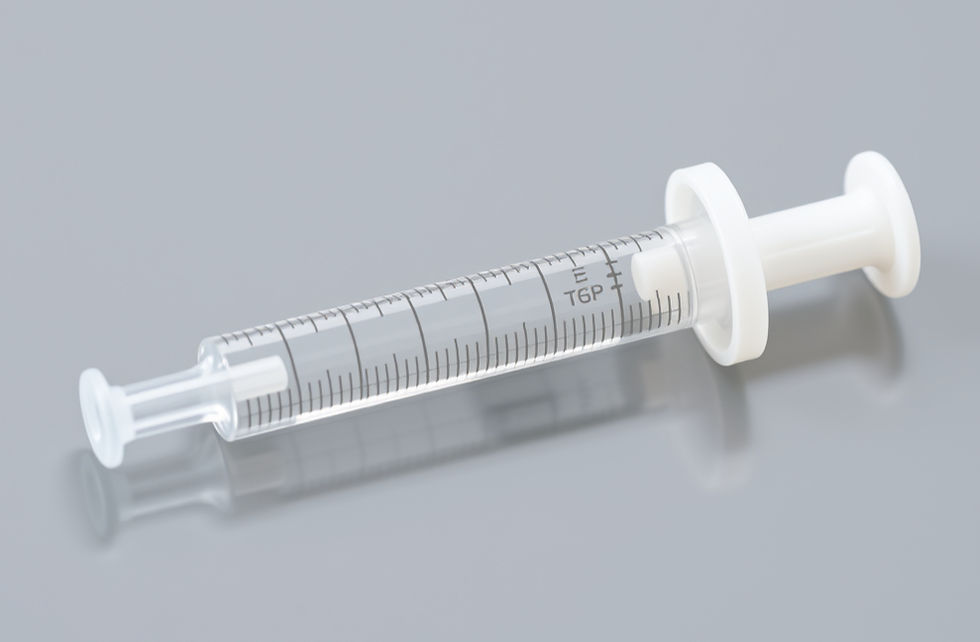
Expressed colostrum can be collected directly into sterile syringes (1 mL or 5 mL syringes work well) or into a small sterile container and then drawn into a syringe. Label each syringe with the date, put a lid on, pop them into a zip-lock bag, and freeze them.
At the hospital, let your care team know you've brought frozen colostrum. Most hospitals are very supportive of this and will store it for you. Bring a small insulated bag with an ice pack if you're driving to the hospital.
Frozen colostrum is typically good for up to 3 months in a regular freezer, or up to 6 months in a deep freeze.
How Do You Actually Hand Express?
You should learn this properly so you don't mishandle your breast tissue or hurt your nipples. I cover exactly how to hand express step-by-step in my hand expression post. including where to place your fingers, what rhythm to use, and what to avoid.
For now, the most important thing to know is: it takes practice, and patience, and that's okay. Even if you sit down to try and get nothing on your first attempt, you've still done something valuable. You've started getting to know your body. That matters SO MUCH. That's literally the best takeaway from doing this exercise.
Questions?
💐 Questions about prenatal expression, colostrum, or getting breastfeeding off to a strong start? I offer home visits throughout Oakville and the surrounding area. You can reach me at heldbynicole@gmail.com or book a prenatal lactation consultation through my website: www.heldbynicole.com to get ready before baby arrives.
This post is for educational purposes and does not replace personalized medical or lactation advice. Always consult your care provider before beginning prenatal expression, especially if you have a high-risk pregnancy or any of the contraindications listed above.
Thanks for reading!
-Nicole
Disclaimer: The information provided in this blog is for general informational purposes only and is not intended as medical advice. Always consult with a qualified healthcare professional before making any health-related decisions


Comments